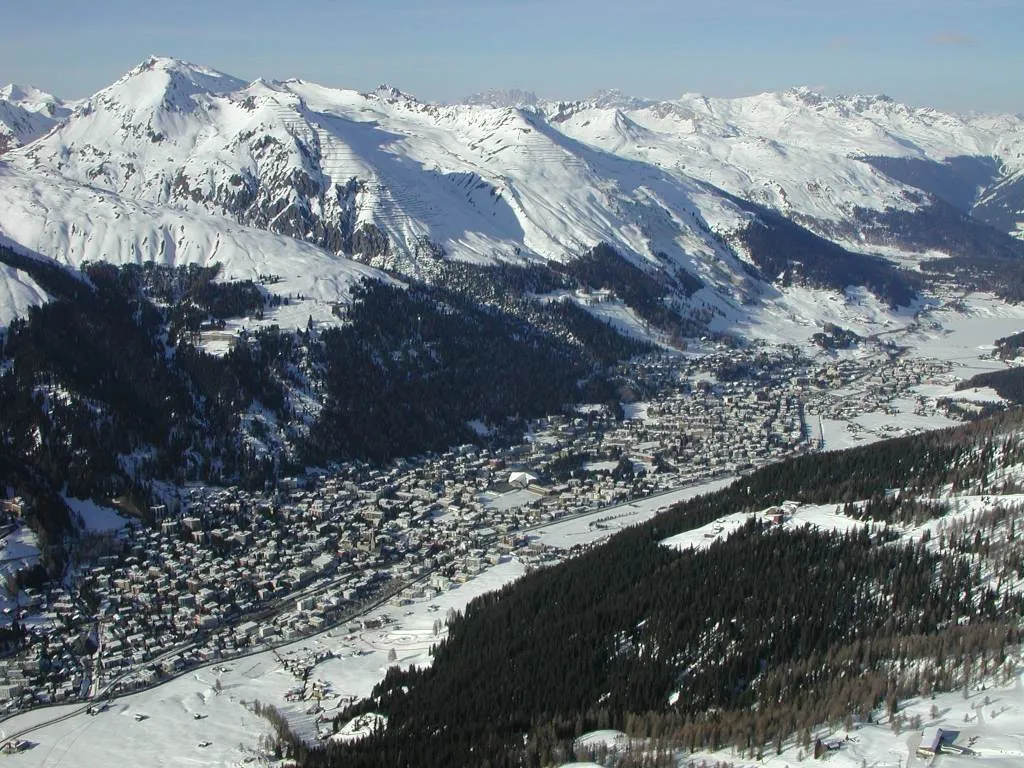
After decades of exploring the continent, seasoned travellers agree that a handful of smart habits and practical strategies can transform a good trip into an unforgettable one, saving you money, stress, and the frustration of learning lessons the hard way.
In This Article
- Pack Light and Pack Smart
- Book Accommodation with Free Cancellation
- Learn a Few Phrases in the Local Language
- Use Public Transport Like a Local
- Travel During Shoulder Seasons
- Eat Where the Locals Eat
- Get Off the Beaten Path
- Stay Connected with an eSIM or Local SIM
- Always Have Backup Payment Methods
- Keep a Travel Journal or Digital Diary
Pack Light and Pack Smart
The single most impactful decision you can make before any trip is to pack less than you think you need. A carry-on suitcase and a daypack are sufficient for trips of up to two weeks if you choose versatile clothing in neutral colours that can be mixed, matched, and layered. Rolling clothes instead of folding them saves space and reduces wrinkles, while compression packing cubes keep outfits organised and accessible. Remember that you can wash clothes anywhere and that Europe’s high-street stores sell anything you might have forgotten. Packing light means you move faster, avoid checked baggage fees (which can cost €30 to €70 per flight as of 2026), and reduce the physical burden of hauling heavy luggage up the spiral staircases that characterise so many European hotels.
Book Accommodation with Free Cancellation
Travel plans change, flights get delayed, and sometimes you simply change your mind about an itinerary. Booking accommodation that offers free cancellation up to 24 or 48 hours before check-in gives you the flexibility to adjust your plans without financial penalty. Websites such as Booking.com and Expedia clearly mark cancellation policies, and many hotels now offer flexible rates that cost only a few euros more than non-refundable options. This small premium is well worth the peace of mind, particularly when booking far in advance or during unpredictable seasons. In 2026, most major booking platforms also offer price-match guarantees, so you can rebook at a lower rate if the price drops after your initial reservation.
Learn a Few Phrases in the Local Language
Making an effort to speak the local language, even just a handful of words, transforms how locals perceive and treat you. A simple ‘hello’, ‘please’, ‘thank you’, and ‘do you speak English?’ in the local language shows respect and opens doors that remain closed to monolingual travellers. In countries like France, Italy, and Germany, attempting the language before switching to English is considered basic courtesy and often results in warmer service and better recommendations. Free apps such as Duolingo and Memrise can teach you the essentials in a few hours, and phrasebook apps work offline, so you do not need a data connection to look up a word when you need it most.
Use Public Transport Like a Local
European public transport is among the best in the world, and learning to navigate it like a local will save you a fortune compared to taxis and ride-sharing services. Most major cities offer travel cards that combine unlimited metro, bus, and tram travel for 24, 48, or 72 hours, typically costing between €8 and €25 depending on the city. Regional trains connect smaller towns and villages efficiently, often running more frequently and reliably than their equivalent in other parts of the world. Apps such as Citymapper, Moovit, and the official transport apps of individual cities provide real-time schedules, route planning, and ticket purchasing, making it easier than ever to navigate unfamiliar systems. For longer journeys between cities, booking train tickets in advance through services like Trainline or the national operator’s website can secure discounts of up to 60 percent.
Travel During Shoulder Seasons
The months of April through June and September through October represent the sweet spot for European travel, offering pleasant weather, fewer crowds, and significantly lower prices than the peak summer months. Airfares to Europe can be 30 to 50 percent cheaper in shoulder season than in July and August, while hotels in popular destinations such as Paris, Rome, and Barcelona often reduce rates by a similar margin. Attractions are less crowded, meaning shorter queues and a more relaxed experience at major museums and historic sites. The weather in most of Europe during these months is still warm enough for outdoor dining and sightseeing, and daylight hours remain long. Autumn additionally brings harvest festivals, wine tastings, and the spectacular colours of changing leaves across the continent.
Eat Where the Locals Eat
The best meals in Europe are rarely found on the main square or the most photographed street, where rents are highest and quality often suffers as a result. Instead, walk a few blocks away from the tourist centre and look for restaurants filled with local diners, where the menu is posted in the local language and the specials change daily based on what is fresh at the market. Street food markets, such as London’s Borough Market, Barcelona’s La Boqueria, and Florence’s Mercato Centrale, offer excellent value and the chance to sample regional specialities from multiple vendors in a single meal. Avoid restaurants that employ aggressive touts standing outside, that display photographic menus in multiple languages, or that offer ‘tourist menus’ advertised on sandwich boards, as these are reliable indicators of mediocrity and inflated prices.
Get Off the Beaten Path
Every European city has its famous landmarks, but the most memorable travel experiences often happen when you deliberately stray from the guidebook routes. Spend an afternoon wandering the residential neighbourhoods that surround the historic centre, where you will find local bakeries, neighbourhood parks, and the authentic rhythm of daily life. Take a bus to a town whose name you do not recognise, visit a museum dedicated to an obscure local interest, or simply sit on a park bench and watch the city go about its business. These unplanned moments, free of queues, entrance fees, and expectations, frequently become the stories you tell long after the famous sights have blurred together. The serendipity of getting lost is one of travel’s greatest gifts, so embrace it rather than resisting it.
Stay Connected with an eSIM or Local SIM
Roaming charges within Europe have been abolished, meaning a single European SIM card works seamlessly across all 27 member states plus Switzerland, Norway, and Iceland. For travellers arriving from outside Europe, buying a local SIM card at the airport or using an eSIM from providers such as Airalo or Holafly offers reliable data at a fraction of roaming costs charged by home carriers. A typical eSIM providing 5 to 10 gigabytes of data valid for 30 days costs between €10 and €25 as of 2026. Having reliable mobile data means you can access maps, translation apps, booking confirmations, and real-time transport information wherever you are, significantly reducing the stress of navigating unfamiliar environments.
Always Have Backup Payment Methods
Relying on a single credit or debit card while travelling is a risk that can leave you stranded if the card is lost, stolen, eaten by an ATM, or blocked by your bank’s fraud department. Carry at least two cards from different providers, ideally a Visa and a Mastercard, stored in separate locations such as your wallet and your accommodation safe. Additionally, keep a small amount of local currency in cash, around €50 to €100, for markets, small cafes, and emergency situations where cards may not be accepted. Notify your bank of your travel dates to prevent your cards from being blocked when foreign transactions appear, and download your bank’s app so you can freeze a card instantly if it goes missing. In 2026, contactless payments are accepted almost everywhere in Europe, but smaller establishments in rural areas may still be cash-only.
Keep a Travel Journal or Digital Diary
The memories of a trip fade faster than you expect, and the details that seemed unforgettable at the time can slip away within weeks of returning home. Keeping a travel journal, weather on paper, in a notes app, or recorded as voice memos, preserves the texture of your experiences in a way that photographs alone cannot capture. Record the name of that excellent restaurant, the friendly bartender who recommended a hidden hiking trail, the exact spot where you watched the sunset, and the thoughts and feelings that each day brought. Reviewing your journal in the years to come will bring back the sensory richness of your travels with a vividness that no photo album can match. Plus, your notes become a valuable resource when friends ask for recommendations or when you plan a return visit to a destination you loved. Which of these tips will you apply to your next European adventure?
Discover more essential travel advice and destination guides on europeexplored.com.
Explore More
If you enjoyed this article, you might also like:
- Interesting Alternatives To A Hotel Stay – View all posts in Travel Tips
- Top European Destinations Recommended By Fellow Travellers – View all posts in Travel Tips
- History Alive: Discovering Great Historical Sites in the Mediterranean – View all posts in Greece
Explore all our Europe travel guides, discover the best of Europe.
Explore More
If you enjoyed this article, you might also like:
