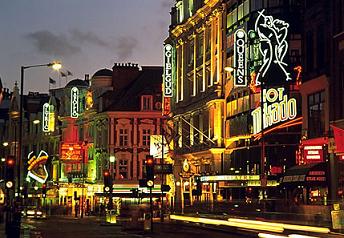
A sudden burst of laughter erupts from a basement doorway in Soho, rising through a grating and spilling into the street like a promise of fun. That sound, the unfiltered, helpless laughter of a room full of strangers united by a good joke, is the unofficial soundtrack of London’s West End after eight o’clock. The theatres here have been making people laugh for centuries, and the comedy scene today is richer, weirder, and more accessible than ever before.
In This Article
The Icons: Comedy Store and the Birth of Alternative Comedy
The Comedy Store on Leicester Square opened in 1979 and changed British comedy forever. Before the Comedy Store, stand-up in Britain meant working men’s clubs and variety theatre. The Comedy Store introduced an open mic policy that let anyone try their luck, and what emerged was the alternative comedy movement. Alexei Sayle, Rik Mayall, and Dawn French cut their teeth on that stage. The room is small, the brick walls are exposed, and the atmosphere is electric. Acts still test new material here. You might see a household name trying out jokes that will never make it to TV. The Thursday night King Gong show is the most unpredictable: comedians get three minutes. If the gong sounds, they are off. The audience decides.
Jongleurs and the Chain That Never Was
Jongleurs opened in Battersea in 1983 and expanded into a national chain before the comedy bubble burst. The original Covent Garden venue, now operating under different ownership, still hosts some of the best line-ups in London. The format is reliable: a compere warms the crowd, three or four acts perform, and a headliner closes the show. The crowd is usually a mix of birthday parties, date nights, and tourists who want a guaranteed good time. The quality of the line-ups varies, but on a good night Jongleurs delivers exactly what a comedy club should: loud, unpretentious, and funny.
The Upside-Down Room: Comedy in a Soho Basement
The Cellar at Leicester Square Theatre seats about a hundred people in a basement that feels like someone’s living room if that someone had a serious drinking problem. The ceiling is low, the chairs are mismatched, and the comedians are so close you can see the sweat on their foreheads. Soho has always been the centre of London’s alternative scene, and the Cellar keeps that tradition alive. Acts here range from Edinburgh previews to experimental sets that would not work anywhere else. The bar is tiny and the queue is long. The intimacy is the whole point.
Theatre Shows That Make You Laugh
Not all West End comedy comes from stand-up clubs. The theatre district itself is home to laugh-out-loud productions that rival any comedy club. The Book of Mormon at the Prince of Wales Theatre is still the hardest ticket to get and the hardest you will laugh in a formal seat. Matilda the Musical at the Cambridge Theatre has moments of pure comic genius. The Play That Goes Wrong at the Duchess Theatre is a masterclass in physical comedy that leaves the audience breathless. For something newer, check what is running at the Menier Chocolate Factory or the Donmar Warehouse. These smaller theatres produce the shows that transfer to Broadway.
Making a Night of It: Pre- and Post-Show Rituals
The best comedy nights start with dinner in Soho. The French House on Dean Street serves a short menu and a longer drinks list. Bar Italia on Frith Street does espresso and cannoli until 4 am. After the show, the comedy crowd migrates to the Coach and Horses on Greek Street, a pub that has been hosting journalists, comedians, and drinkers since the 1840s. The conversations here can be as funny as the show you just saw. For a late-night bite, Balans in Old Compton Street is open until the small hours and serves everything from full English breakfasts to Thai curry. The West End does not shut down when the curtain falls. It gets started.
The Edinburgh Fringe Connection: Comedy All Year Round
While the Edinburgh Festival Fringe in August is the world’s largest arts festival, London’s comedy scene maintains that Fringe energy throughout the year. Many of the shows that debut in Edinburgh transfer to London venues for extended runs. The Soho Theatre, just around the corner from the Comedy Store, programmes comedy year-round and is known for hosting the most innovative and daring acts. The Leicester Square Theatre, the Camden People’s Theatre, and the Arts Theatre all feature regular comedy programming. The relationship between Edinburgh and London is symbiotic: Edinburgh launches careers, and London sustains them. If you see a show in London, there is a good chance you are watching an act that will be headlining at the Edinburgh Fringe next August.
What makes you laugh hardest: the polished professional at a comedy club or the raw risk of an open mic night in a Soho basement?
Published in: United Kingdom. Updated June 11 2026.
Explore all our United Kingdom travel guides, from London landmarks to the Scottish Highlands.
Explore More
If you enjoyed this article, you might also like:
- A Weekend in Cool Brighton – United Kingdom
- Glen Coe – a narrow valley with towering mountains on either side | Scotland, UK – United Kingdom
- Salisbury Cathedral with the tallest church spire in the United Kingdom – United Kingdom
