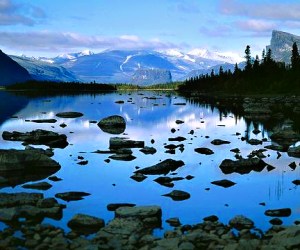
Sweden is Scandinavia’s largest, most populous, and most diverse country, an open and accepting society that spans from the cosmopolitan streets of Stockholm to the Arctic wilderness of Lapland, from the sandy beaches of the Baltic island of Gotland to the vast forests and thousands of lakes that define the Swedish landscape and the national soul. fiercely proud of its progressive values, its design heritage (IKEA, H&M, and the concept of “lagom”, just the right amount), and its natural bounty, Sweden offers the traveller an extraordinary combination: one of Europe’s most liveable capital cities and some of its most pristine, accessible wilderness, often within a few hours of each other. It is expensive, yes, but the quality of life, the beauty of the landscape, and the warmth of the welcome (beneath the stereotype of Nordic reserve) consistently reward those who make the journey.
Quick Facts: Sweden Travel Guide
- Best time to visit: June–August for the warmest weather, the most reliable sunshine, and the magical midnight sun above the Arctic Circle; Midsummer (late June) is Sweden’s most important celebration, a maypole-dancing, herring-eating, schnapps-drinking festival that reveals the country at its most joyful; September for the autumn colours; December for Christmas markets, glögg (mulled wine), and the atmospheric Lucia Day processions (December 13); February–March for the Northern Lights and winter activities in Lapland
- Top attractions in Sweden: Stockholm’s Gamla Stan (Old Town) and the Vasa Museum (home to the world’s best-preserved 17th-century warship, raised intact after 333 years on the seabed); the Göta Canal; the Icehotel in Jukkasjärvi; the medieval walled city of Visby on Gotland; and the vast wilderness of Swedish Lapland, including the Kungsleden (King’s Trail), one of the world’s great long-distance hiking routes
- How to get to Sweden: Stockholm Arlanda Airport (ARN) is the main hub; Gothenburg Landvetter (GOT) and Copenhagen Airport (CPH, just 30 min from Malmö by train via the Øresund Bridge) are also major gateways; excellent train network (SJ) connecting the main cities
- Currency: Swedish Krona (SEK), Sweden is not in the Eurozone
- Language: Swedish, English is spoken fluently by almost everyone, making Sweden one of the easiest non-English-speaking countries to navigate
- Best for: Design lovers, nature enthusiasts, families, and anyone seeking the quintessential Scandinavian experience
Sweden’s Must-Visit Destinations
- Stockholm: Built on 14 islands where Lake Mälaren meets the Baltic Sea, Stockholm is one of the most beautiful capital cities in the world, a water city of pastel-coloured buildings, world-class museums (the Vasa Museum alone justifies the trip), and the perfectly preserved medieval alleys of Gamla Stan.
- Swedish Lapland: The far north is Europe’s last great wilderness, home to the Sámi people, reindeer herds, the Northern Lights, and the legendary Icehotel in Jukkasjärvi. Abisko National Park is one of the best places on Earth to see the aurora borealis.
- Gothenburg and the West Coast: Sweden’s second city is a hip, laid-back foodie destination with a stunning archipelago of granite islands just offshore, perfect for kayaking, seafood, and the classic Swedish summer experience.
- Gotland: The Baltic island of Gotland and its medieval capital Visby (a UNESCO World heritage site) is Sweden’s summer paradise, sunshine, beaches, rose-covered cottages, and the magnificent city walls of Visby, the best-preserved medieval town in Scandinavia.
- Dalarna: The heart of traditional Sweden, red-painted wooden cottages, Dala horse carving, the Midsummer celebrations around Lake Siljan, and a landscape of forests, lakes, and folk traditions that feels like the Sweden of storybooks.
Sweden is the third largest country by area in Europe (after France and Spain), located on the Scandinavian Peninsula in Northern Europe. It is bordering with Norway to the west and Finland to the northeast, and has also water borders with Denmark, Germany and Poland to the south and Estonia, Latvia, Lithuania and Russia to the east. Sweden is also connected to Denmark by a bridge-tunnel across the Öresund.
Sweden, officially the Kingdom of Sweden, is a constitutional monarchy with a parliamentary democracy of government with the current king Carl XVI Gustaf. The country has highly developed economy. The capital city is Stockholm, which has about 800,000 inhabitants. The whole kingdom covers 449,964 km² with approximately 9,856,000 inhabitants (of which about 1.5 million are immigrants). The largest cities after Stockholm are Göteborg, Malmö and Uppsala. Three main areas of Sweden, basically corresponding to the southern, central and northern parts of the country are Götaland (south), Svealand (central part) and Norrland (north).
The best time for visiting Sweden is Winter or Summer when you can see the polar night (in Winter) and have the daylight only for a few hours, or polar day (in Summer) with the sun above you almost for 24 hours.
Typical cuisine is Smorgåsbord (a buffet of savoury delicacies), Baltic herring, pea soup and pancakes.
Among the best know people from Sweden you will find actress Greta Garbo or music group ABBA.
What’s your Sweden, Stockholm’s island-hopping, Lapland’s Northern Lights, or Gotland’s medieval summer? Share your Swedish experiences in the comments! 🇸🇪
Explore all our Sweden travel guides, from Stockholm to the far north.
Explore More
If you enjoyed this article, you might also like:
- Lithuania – country of amber – All Countries
- Malta – diving paradise – All Countries
- Bulgaria – country of roses – All Countries
