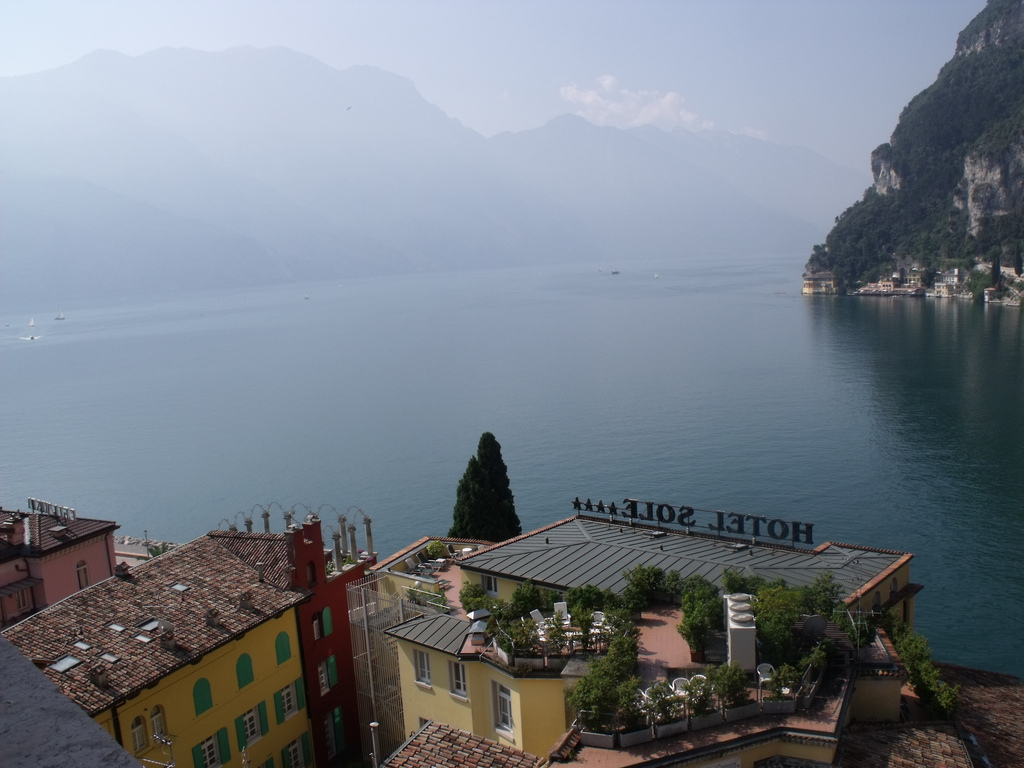
The largest and most beautiful Italian lake Lago di Garda is situated in the Dolomites at the foot of the mountain massifs in the northern part of the country. It is surrounded by great nature and full of tempting adventures. At the border of the provinces of Lombardy, Trentino and Veneto, you can discover one of the most beautiful corners of Italy. It is surrounded by two thousand metre high masses of rocks and lush Mediterranean vegetation. Lago di Garda is the ideal location for sporting and relaxing holidays.
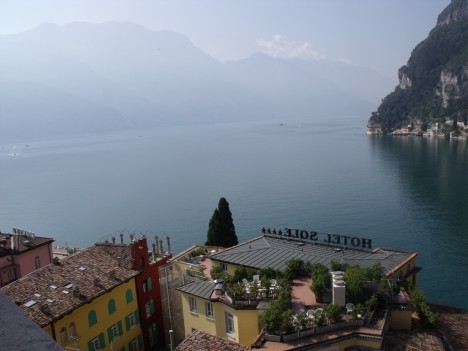
Lago di Garda, Italy by Elliott Brown
In This Article
Geography and Natural Setting
Lago di Garda is the largest lake in Italy, stretching 51 kilometres in length and reaching a maximum depth of 346 metres. It was formed approximately 10,000 years ago when receding Alpine glaciers carved this magnificent basin. The lake lies at an altitude of 65 metres above sea level, and walking the entire shoreline covers about 160 kilometres. The northern part of the lake is narrow, surrounded by great rock massifs that rise steeply from the water. Towards the south, the lake opens up into wider, more accessible shores backed by rolling hills and olive groves. This dramatic contrast between the alpine north and Mediterranean south is one of Garda’s defining characteristics, offering two distinct landscapes within a single destination.
The lake’s location at the boundary of three regions – Lombardy, Trentino-Alto Adige, and Veneto – gives it a rich cultural diversity. Each region contributes its own culinary traditions, architectural styles, and dialects. The surrounding mountains protect the lake from cold northern winds, creating a mild microclimate that supports Mediterranean vegetation including olive trees, lemon trees, palms, and cypresses. This unusual combination of alpine and Mediterranean elements makes the lake’s landscape uniquely beautiful. The water temperature in summer reaches a pleasant 24 degrees Celsius, ideal for swimming and water sports.
Active Holidays and Outdoor Adventures
The northern part of Lake Garda is the right place for more demanding tourists and adventure lovers. Biking, hiking, and rock climbing are just a fraction of what the area offers. Hundreds of kilometres of marked cycling and hiking trails lead deep into the surrounding mountains. On the water, visitors can enjoy boating, windsurfing, sailing, or just playing beach volleyball. The area is particularly famous for windsurfing, with consistent winds funnelled through the mountain valleys creating ideal conditions for both beginners and experienced surfers. The town of Torbole on the northern shore is a world-renowned windsurfing destination, hosting international competitions throughout the summer.
If you decide to go on a proper mountain hike, do not forget a map, which can be obtained in tourist centres or hotels. The ideal starting point for tours is the town of Riva del Garda, from where you can head either west or east. The western side offers steep rock walls suitable more for hiking, with trails leading to high alpine pastures and dramatic viewpoints. The eastern hills are a paradise for passionate cyclists, with winding roads and dedicated mountain bike trails. Bike rental services are widely available, though prices can be high during peak season. Beyond the lake itself, the nearby mountains offer via ferrata routes for climbers, paragliding opportunities for adrenaline seekers, and quiet paths for nature lovers.
Towns, Culture, and Local Attractions
In addition to alpine tours and relaxing by the blue lake, you can enjoy culture and the rich nightlife characteristic of Italy. Visit the town of Riva del Garda, an ideal place for lovers of history with its medieval harbour, 13th-century Rocca fortress, and elegant promenades. Malcesine on the eastern shore is famous for its Scaliger Castle, which offers panoramic views from its tower and houses a museum of natural history. The cable car from Malcesine to Monte Baldo takes visitors to an altitude of 1,760 metres for breathtaking views over the lake and surrounding Alps. Limone sul Garda, named after its historic lemon cultivation, charms visitors with its narrow streets and lakeside cafes.
In the southern part of the lake, visit the spa town of Sirmione, known as the “Pearl of Lake Garda.” The Romans built castles, ports, and the sprawling Grotte di Catullo villa here. On the ruins of one of the ports, you can now visit the Scaligeri Rocca castle, one of the most recognisable landmarks of Sirmione. The town’s thermal spa offers therapeutic treatments using sulphur-rich spring waters. Gardaland, one of Italy’s largest amusement parks, is located on the eastern shore and offers family entertainment with roller coasters, water rides, and themed attractions. The combination of natural beauty, historic towns, and modern amenities makes Lago di Garda suitable for everyone – hikers, adventurers, history enthusiasts, and families alike.
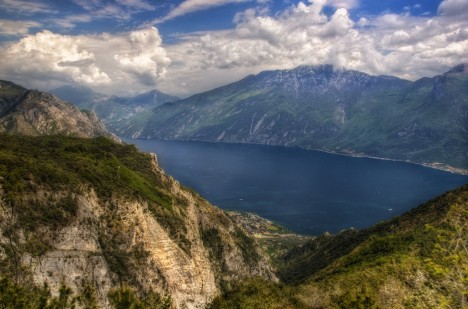
Lago di Garda Italy by Robert Wirrmann
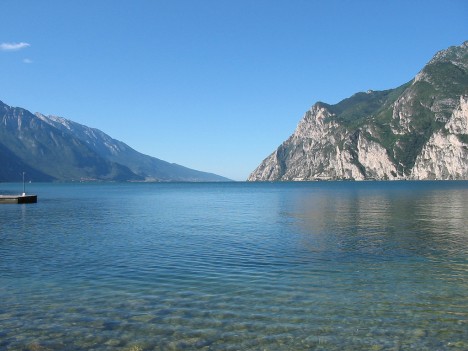
Lake Garda, Italy by Marjolein Knuit
Explore all our Italy travel guides, from the Dolomites to Sicily.
Explore More
If you enjoyed this article, you might also like:
