Trento – traditions of Alpine countries, Italy
Updated June 10, 2026 by europeexplored
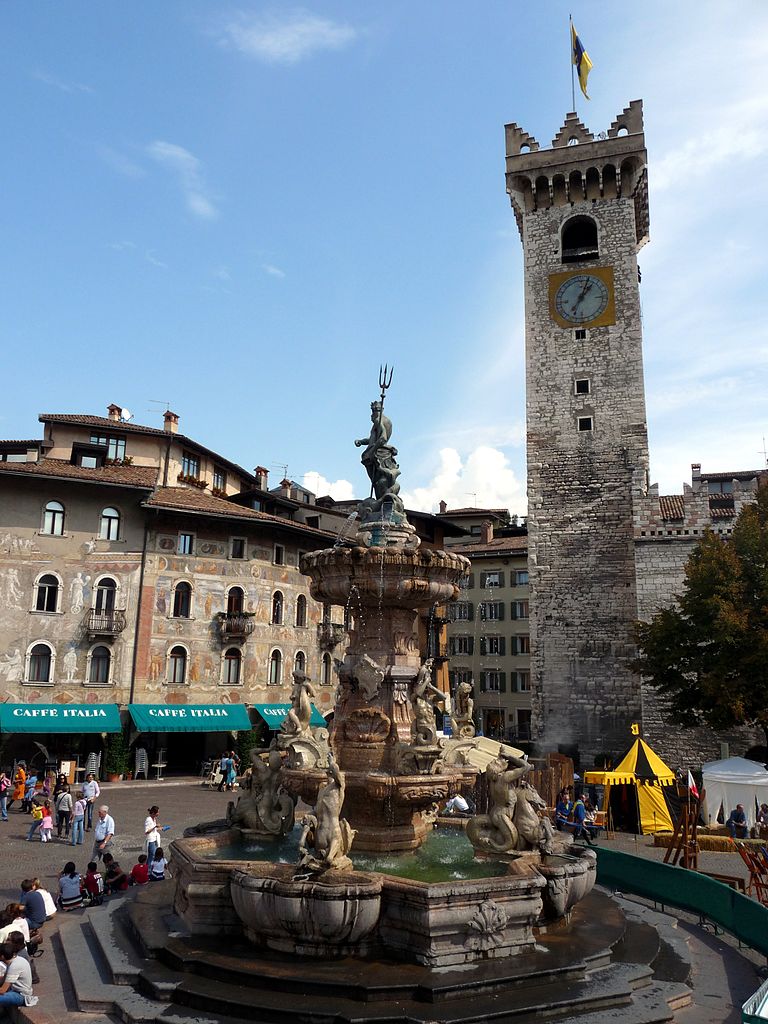
Trento sits in the Adige Valley where Italian warmth meets Alpine crispness. The Dolomites rise to the north and east, their jagged peaks visible from the city squares below. This city is famous for the Council of Trent, the 16th-century church gathering that shaped Catholicism for centuries, but Trento offers much more than history. The Buonconsiglio Castle displays fresco cycles that rival anything in central Italy. The local cuisine blends Italian pastas with Austrian dumplings and sauerkraut, a reflection of the city borderland identity. Trento has been named the most liveable city in Italy multiple times.
Trento sits in the Adige Valley where Italian warmth meets Alpine crispness. The Dolomites rise to the north and east, their jagged peaks visible from the city squares below. This city is famous for the Council of Trent, the 16th-century church gathering that shaped Catholicism for centuries, but Trento offers much more than history. The Buonconsiglio Castle displays fresco cycles that rival anything in central Italy. The local cuisine blends Italian pastas with Austrian dumplings and sauerkraut, a reflection of the city borderland identity. Trento has been named the most liveable city in Italy multiple times.
The city of Trento can be found along the bank of the Adige River. Known as the educational center in Northern Italy, the city of Trento is home to several top colleges and universities. The University of Trento is one of the top 30 in all of Europe.
Trento, Italy by Matteo Ianeselli
The glacial Adige River valley where the city is situated is in the foothills of the Alps. It is here that the Avisio and Fersina rivers merge with the Adige River. Fed by the glaciers of the Alps, the Adige River is considered to be the second longest in the country. Mountain tops dominate the skyline in all directions around Trento; some of which tower more than 2,100 meters above sea level.
While Trento was the historical home of the Council of Trent back in the 16th century, today it still plays an important role in Italian politics. The busting city of Trento is considered to be one of the wealthiest in the entire country.
While the tourism industry has not been an important part of the Trento economy, the city none the less offers many fine monuments and attractions that make visiting it worthwhile. The parts of the walls that once surrounded the medieval city are still standing today along with one of the towers that had once protected the city.
Today, the biggest attraction in Trento is the Castello del Buonconsiglio which is also home to the city’s main museum. Just outside of the castle you will find the Piazza Fiera. There are also several other plazas in the city. Many people make their way to the Duomo Cathedral which dates back to the 12th century and features an underground crypt which is currently open to the public. There are several other churches in Trento which were built back in the 12th and 13th centuries.
Have you ever visited a city where two cultures meet so clearly in the food and architecture?
Looking for more Italian travel inspiration?
Buonconsiglio Castle and the Cycle of the Months
Castello del Buonconsiglio is the largest and most important castle complex in the Italian Alps, comprising three distinct sections built between the 13th and 16th centuries. The oldest part, Castelvecchio, contains the Torre dell Aquila, which houses the most famous secular fresco cycle of the Gothic period in Italy. The Cycle of the Months, painted between 1397 and 1407 by an unknown Bohemian artist, depicts the activities of each month in vivid detail against the backdrop of a medieval Alpine landscape. The frescoes show nobles playing chess, peasants harvesting grapes, and the castle itself buried in winter snow. The great hall of the Magno Palazzo, the Renaissance wing built by Cardinal Bernardo Clesio, is decorated with mythological frescoes and grotesques by Romanino and Dosso Dossi. The castle museum displays archaeological artefacts from the region, including the Satyr of Trento, a bronze statue from the 4th century BC. Entry costs 10 euros and includes access to all sections of the castle. The views from the upper battlements extend across the city to the Dolomites, with Monte Bondone visible to the southwest.
The Council of Trent Legacy and Local Food
The Council of Trent, which met in three sessions between 1545 and 1563, fundamentally shaped Catholic doctrine and practice in response to the Protestant Reformation. The council defined the Catholic canon of scripture, affirmed the seven sacraments, and addressed issues of clerical reform and education. The Palazzo delle Albere, commissioned by the Madruzzo family who were prince-bishops during the council, hosts temporary exhibitions about this pivotal historical event. The Duomo di San Vigilio, the cathedral where many council sessions were held, features a Romanesque exterior and a Gothic interior with a notable rose window. Trento cuisine reflects its position at the cultural crossroads between Italy and the German-speaking world. Typical dishes include canederli, bread dumplings served in broth or with melted butter, strangolapreti, spinach and ricotta dumplings, and polenta with local cheeses such as Trentingrana and Puzzone di Moena. The city produces excellent white wines from the surrounding valley vineyards, particularly Nosiola and Muller Thurgau. The Trento DOC sparkling wine, made using the traditional method, rivals Franciacorta and Champagne. The covered market in Piazza Garzetti offers local products including apples from the Val di Non, honey, and cured meats.
Have you ever visited a city where two cultures meet so clearly in the food and architecture?
Explore all our Italy travel guides, from the Dolomites to Sicily.
Outdoor Activities Around Trento
The mountains surrounding Trento offer year-round outdoor activities. Monte Bondone, visible to the southwest of the city, is a popular destination for hiking in summer and skiing in winter. The Adige River cycle path, which runs from the Resia Pass to the Adriatic Sea, passes through Trento and offers a flat, well-maintained route for cyclists. The Parco Nazionale dello Stelvio, one of Italy largest national parks, is accessible within an hour drive from Trento. The park protects the Ortles-Cevedale mountain group and offers hiking trails through alpine meadows populated with ibex, chamois, and marmots. The Val di Non, known for its apple orchards, offers gentle walking trails through farmland dotted with medieval castles. Rental bikes are available at Trento railway station from 15 euros per day.
Explore all our Italy travel guides, from the Dolomites to Sicily.
Explore More
If you enjoyed this article, you might also like:
