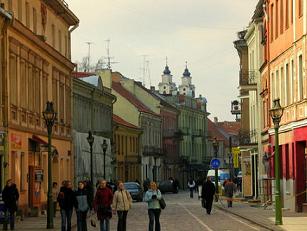
Interwar optimism lingers in the wide boulevards and functionalist facades of Kaunas, a city that became Lithuania s provisional capital and poured all its creative energy into architecture that still feels futuristic a century later. Laisvės Alėja, one of Europe s longest pedestrian streets, hums with the rhythm of daily life, past lime trees and outdoor cafes where conversations drift between Lithuanian and English. The Devils Museum holds a collection of masks and carvings that trace the darker side of folklore. On the hill above, the castle keep watches over the confluence of the Nemunas and Neris rivers, two waters meeting where two eras of history converge.
In This Article
Architecture and the Legacy of Interwar Modernism
Kaunas holds a unique place in European architectural history as a showcase of interwar modernism that has few parallels anywhere on the continent. When Vilnius was occupied by Poland in 1920, Kaunas became the provisional capital of Lithuania, launching an extraordinary building boom that transformed the city into an outdoor museum of modernist design. The city’s architecture from this period is so significant that UNESCO has recognised the Kaunas Modernist district for its outstanding universal value to world heritage. Buildings such as the Central Post Office, the monumental Christ’s Resurrection Church on the hill, and the elegant offices along Laisvės Alėja display the clean lines and functional forms that defined the optimistic spirit of the young Lithuanian state between the wars. The Devils Museum, located in a charming wooden house near the Old Town, holds a remarkable collection of over 3,000 depictions of devils and other folkloric figures from around the world, offering a quirky and memorable counterpoint to the city’s architectural seriousness. Walking tours of the modernist district depart regularly from the tourist information centre and are highly recommended for architecture enthusiasts.
Cultural Institutions and Museums
Kaunas punches well above its weight in cultural offerings for a city of its size. The M. K. Čiurlionis National Art Museum, named after Lithuania’s most celebrated painter and composer, holds an extensive collection of his mystical and symbolic works alongside exhibits of Lithuanian folk art and European painting from various periods. The Žalgiris Arena, one of the largest indoor venues in the Baltic region, hosts major concerts and international sporting events throughout the year. The Kaunas State Musical Theatre offers opera and ballet performances in a striking modernist building that is itself worth a visit. The Ninth Fort museum, located on the northern edge of the city, presents a sobering and comprehensive exhibition on the Soviet and Nazi occupations, with the mass execution site preserved as a memorial to the victims. The newly opened Museum of Lithuanian Life offers interactive exhibits on the country’s cultural heritage that appeal to visitors of all ages. The open-air Lithuanian Folk Museum at Rumšiškės, a 30-minute drive east of the city, reconstructs traditional village life across the country’s ethnographic regions with remarkable attention to historical detail.
Food and Local Traditions
Kaunas offers an increasingly vibrant food scene that blends Lithuanian traditions with contemporary European influences in exciting new ways. Laisvės Alėja, the longest pedestrian street in Europe at 1.6 kilometres in length, is lined with cafes and restaurants where you can sample cepelinai, the national dish of potato dumplings stuffed with meat or cheese curds and topped with sour cream and crispy bacon. In summer, locals flock to outdoor terraces for šaltibarščiai, a cold beetroot soup served with hot boiled potatoes that provides refreshing relief from the heat. The farmers markets, particularly the Kaunas Central Market housed in a striking early 20th-century building, overflow with local produce, artisanal cheeses, smoked fish from the Nemunas River, and dark Lithuanian rye bread that has been baked in traditional wood-fired ovens for generations. For a sweet treat, look for šakotis, a traditional spit cake often served at weddings and celebrations, its distinctive tree-ring shape created by slowly layering batter on a rotating spit over an open fire. The city’s craft beer scene has grown rapidly in recent years, with several breweries and taprooms offering modern interpretations of ancient Lithuanian beer-making traditions.
Which European city has the most underrated cultural scene in your opinion 🏛️
Explore all our Lithuania travel guides, from Vilnius baroque to the Curonian Spit.
Explore More
If you enjoyed this article, you might also like:

Kaunas deserves far more attention than it gets. The interwar architecture is stunning — so many Art Deco and modernist buildings. The Devil Museum is wonderfully quirky and the old town is compact and beautiful. The Ninth Fort is a sobering but essential visit. Lithuania in general is underrated but Kaunas especially has a charm that Vilnius lacks. Highly recommend.