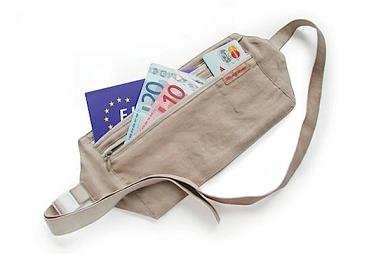
You lock your hostel room, pocket the key, and step into a city where nobody knows your name. Your passport, your bank cards, your emergency cash, your phone. Everything you need for the next twelve hours is on your body. And so is every thief’s best opportunity. The money belt exists for a single reason: to separate the things that ruin your trip from the things that merely inconvenience it. Here is how to use one properly and what else you should know.
\\n\\n
In This Article
Why a Money Belt Still Matters in 2026
\\n
Digital payments have reduced the need for cash across Europe, but pickpocketing has not disappeared. The cities where tourists lose wallets most often are Barcelona, Rome, Paris, Prague, and Amsterdam. The pickpockets in these cities work in teams: one distracts, one lifts, one passes the item to a fourth person who walks away before the victim notices. A money belt worn under clothing makes this chain nearly impossible. The thief cannot access it. The receiver cannot receive. The money belt is the single most effective anti-theft device a traveller can carry, and it costs under 20 euros.
\\n\\n
How to Wear a Money Belt Correctly
\\n
The belt goes around your waist, under your trousers or skirt, against your skin. The pouch should sit at your hip bone, not your belly button, where it is harder to spot through clothing. Put it on before you leave your accommodation. Never adjust it in public. Never reach into it on the street. If you need a bank card or cash, find a toilet cubicle, a shop fitting room, or a quiet corner of a cafe. The whole point is that nobody sees you access it. The moment you reveal its location, you have defeated its purpose. Most travellers wear the belt for passport and backup cards only, keeping small daily cash in a front pocket for quick access.
\\n\\n
What Goes Inside and What Stays Out
\\n
Passport. A backup bank card. Your main emergency cash reserve. A photocopy of your passport photo page and your travel insurance policy number. That is it. Do not put your phone in the money belt. Do not put your hotel key card in it. Do not put coins or folded receipts in it. The belt should be flat and invisible, not a bulging secret pocket. Your daily spending cash, a single debit card, and your phone should be in easily accessible pockets. The whole strategy is layers: what you can afford to lose sits in your pockets. What would end your trip sits in the belt.
\\n\\n
The Alternatives: Neck Pouches and hidden Pockets
\\n
Neck pouches worn under a shirt are the second most common option. They work best for women wearing dresses without secure pockets. The downside: accessing a neck pouch in public requires lifting your shirt in a way that draws attention. hidden pocket clothing, such as scarves with zippered compartments or jackets with interior zip pockets, is a growing market for 2026. The best brands offer RFID-blocking fabric that prevents electronic pickpocketing of contactless cards. But no alternative is as reliable as a simple waist-level money belt made of breathable cotton or nylon. The belt does not need to be fancy. It needs to be worn.
\\n\\n
What is the cleverest anti-theft trick you have used on the road, and did it save you or did you learn the hard way?
\\n
\\n
Explore all our Europe travel guides, discover the best of the continent.
One of the great things about travelling across Europe is the complete freedom you have and the power to literally have your home on your back.
\\n
But when you are moving from place to place and exploring new cities it also means you have to keep all your precious items on your person.
\\n
This, of course, is like a huge flashing beacon to potential thieves and pick pockets, who have a keen eye for tourists and know what sort of valuables they have on them.
\\n
Now it needs to be said that muggings in busy tourist places are rare and it should never stop you from travelling. But it is a fact of life that the tourist dollar makes you of great interest to certain locals.
\\n
But if you are sensible and aware of your surroundings you can lower the chances of losing you most prized possessions.
\\n
For starters a money belt is a great way of keeping cash, traveller’s cheques, passport and other small but vital items safe. It can sit underneath your beltline hidden from view but close enough so you know where it is.
\\n
If possible though try not to reveal it in public – its greatest strength is the fact it is hidden. Thieves know tourists where money belts too, but they don’t want to go round checking down everyone’s trousers to see! If they see you fiddling around with your belt they will assume you have something valuable to keep and may target you.
\\n
If you absolutely have to retrieve items such as bank cards from your wallet go to a public toilet or somewhere else where you can take out things in private.
\\n
Then when you have arrived at your hotel or hostel, place items such as your passport either in a locker or behind reception. Most London hotels have a safe in each room or at least one in the office behind reception for such items.
\\n
Then when you head out exploring take only the amount of cash you need for the day. If you aren’t sure, or want to keep a bank card with you just in case, keep small bills in a pocket for things such as drinks, bus tickets etc.. and your bank card safely tucked away.
\\n
Sites such as hotels.com give a description of the area you are travelling to so it pays to read up on area where it may not be safe for tourists to go, again lessening the chances of you being a victim as well as giving you the chance to get the most out of your travels.
\\n
You are free then enjoy the wonders of travelling without the hassle of dealing with missing valuables.
\\n\\n
Explore More
\\n
If you enjoyed this article, you might also like:
\\n
- \\n
- Cruising The Open French Markets – France
- Travelling around Ireland – Ireland
- The Numerous Benefits of Staying in Self-Catering Accommodation – Travelling Tips
\\n
\\n
\\n
\\n
