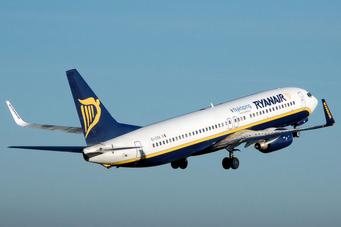
Travelling around Europe on a budget often comes down to one critical skill: finding the cheapest airline fares without wasting hours on comparison sites. The continent dense network of low cost carriers makes it possible to hop between countries for the price of a meal. Flexible dates are your most powerful weapon, as flying Tuesday through Thursday delivers the lowest prices. Booking between six and eight weeks ahead hits the sweet spot. Incognito browsing prevents algorithms from tracking your interest and raising prices. Regional airports often beat major hubs. Flying one way between different carriers can unlock routes no single airline offers. Understanding baggage fees and seat selection charges prevents hidden costs from destroying your budget.
In This Article
How Low-Cost Airlines Keep Their Fares So Low
Low-cost carriers in Europe operate on a fundamentally different business model from traditional network airlines like Lufthansa or Air France. They standardise their fleet around a single aircraft type, typically the Boeing 737 or Airbus A320 family, which simplifies maintenance, crew training, and spare parts inventory. They fly to secondary airports that charge lower landing fees, such as Charleroi instead of Brussels, Beauvais instead of Paris Charles de Gaulle, or Bergamo instead of Milan Malpensa. These airports are often 30 to 90 minutes further from the city centre, but the savings on airport fees allow the airlines to offer base fares as low as 10 euros for a one-hour flight. The airlines maximise aircraft utilisation by keeping turnaround times as short as 25 minutes, meaning the plane spends more time in the air earning revenue and less time parked at the gate. They employ a point-to-point route network rather than a hub-and-spoke system, which avoids the cost of holding connecting passengers. On board, there are no free meals, drinks, or entertainment. Every service is unbundled and sold separately: checked luggage, seat assignment, priority boarding, travel insurance, and even a bottle of water all carry additional fees. This a la carte pricing model means the headline fare is just the starting point, and the final cost depends on which add-ons you choose.
Proven Strategies for Finding the Cheapest Flights
The single most important factor in finding cheap flights is flexibility. Flying midweek, particularly on Tuesday, Wednesday, or Thursday, reduces demand and can lower prices by 20 to 40 percent compared to weekend departures. Booking between six and eight weeks in advance offers the best balance between availability and price, although last-minute deals sometimes appear when airlines need to fill seats on specific routes. Always use incognito or private browsing mode when searching for flights. Booking websites and airline algorithms track your search history through cookies, and if they detect repeated interest in a specific route they may increase the displayed prices. Comparison sites such as Skyscanner, Google Flights, and Kayak allow you to search across multiple airlines simultaneously and set price alerts that notify you when fares drop for your chosen route. Consider booking two separate one-way tickets with different airlines if no single carrier offers a reasonably priced return flight. This strategy works particularly well for routes between regional airports that are not served by the same low-cost airline in both directions. Always check the baggage policy before booking. A 19-euro fare can quickly become 60 euros after adding a checked bag, so if you are travelling light with only hand luggage, choose an airline that includes a reasonable cabin bag allowance in its base fare.
Real Examples and Practical Travel Tips
A personal experience demonstrates how cheap European air travel can be with the right strategy. I once flew from Prague to Pisa and back for just 8 euros including all taxes and fees by taking a Ryanair flight via Frankfurt-Hahn. The outward leg departed Prague at 11pm, arrived in Germany at midnight, and I stayed overnight in a 20-euro pension near the airport. The connecting flight to Pisa left at 9:30 the next morning. The total cost including accommodation came to just 36 euros for two people. Pisa airport is within easy walking distance of the city centre, so no additional transport costs were incurred. For online check-in, complete it between 15 days and 4 hours before departure and either print the boarding pass or save it to your phone. Arrive at the airport at least 40 minutes before departure if you have hand luggage only, or 90 minutes if you need to check a bag. Carry a valid passport or national identity card for travel within the Schengen area. Many low-cost airlines charge a fee for payment by credit card, so using a debit card or a prepaid card can save a few extra euros. Always read the airline’s terms and conditions carefully before booking, paying particular attention to the rules about name changes, cancellations, and refunds, as low-cost carriers typically do not offer refunds on non-refundable tickets under any circumstances.
What is your best tip for finding cheap flights across Europe? ✈️
Explore all our Europe travel guides, discover the best of the continent.
Explore More
If you enjoyed this article, you might also like:
- Geographical midpoint of Europe and Europe – Travelling Tips
- Tipping in the United Kingdom – Travelling Tips
- Finding Your Perfect Family Tent – Travelling Tips
