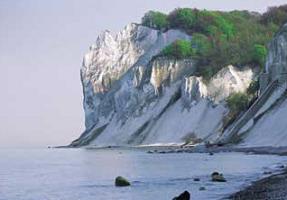
Møns Klint is Denmark’s most dramatic natural wonder, a 6-kilometre stretch of brilliant white chalk cliffs rising 128 metres above the turquoise Baltic Sea on the island of Møn. Formed from the fossilised shells of microscopic coccolithophores over 70 million years ago, these gleaming cliffs offer one of northern Europe’s most breathtaking coastal landscapes, rich with rare flora, fossil hunting, and walking trails through ancient beech forest.
In This Article
Quick Facts: Møns Klint, Denmark
- Best time to visit Møns Klint: May-September for hiking and wildflowers; May-June for the rare orchid bloom on the chalk grasslands
- Top attraction: The Queen’s Chair (Dronningestolen) viewpoint, the highest point of the cliffs with panoramic views across the Baltic
- How to get to Møns Klint: ~1.5 hours from Copenhagen by car (via the Møn Bridge); limited public transport, bus from Vordingborg station to Stege, then local bus or taxi to the GeoCenter
- Entry fee: Free to access the cliffs and trails; GeoCenter Møns Klint museum entry ~15
- Best for: Hikers, photographers, fossil hunters, and nature enthusiasts
The Geology and Fossils of Møns Klint
The white chalk of Møns Klint is composed almost entirely of the calcium carbonate remains of microscopic algae (coccoliths) that lived in a warm tropical sea during the Cretaceous period, the same geological era that produced the white cliffs of Dover. The cliffs are constantly eroding, and each winter storm reveals new fossils embedded in the chalk: belemnites, sea urchins, ammonites, and occasionally even teeth from the sharks that swam these seas 70 million years ago.
The GeoCenter Møns Klint, built into the cliff face itself, is an award-winning interactive museum that tells the story of the cliffs’ formation, the fossil record, and the unique chalk grassland ecosystem. Guided fossil hunts depart from here in summer months. The GeoCenter’s panoramic restaurant offers spectacular cliffside views, and the interactive exhibits include a simulated earthquake and a fossil preparation lab where visitors can watch palaeontologists at work.
Walking Trails and Activities at Møns Klint
- Cliff-top trail: Follow the blue-marked path along the cliff edge from the GeoCenter to Liselund Palace, approximately 3km each way with constant sea views.
- Forest trail: The return loop through the ancient Liselund beech forest passes 18th-century romantic garden follies and the elegant Liselund Castle.
- Staircase descent: Over 500 wooden steps lead from the top of the cliffs down to the pebble beach below, a chance to see the chalk cliffs from sea level and hunt for fossils on the shoreline.
- Mountain biking: Designated bike trails run through the surrounding Klinteskoven forest, part of the UNESCO-listed Møn Biosphere Reserve.
Planning Your Visit to Møns Klint
The best time to visit Møns Klint is between May and September, when the weather is mild and the wildflowers are in full bloom. May and June are particularly special, as the chalk grasslands explode with colour from rare orchids, including the early purple orchid and the military orchid. The cliffs face south-east, so morning light provides the best conditions for photography, illuminating the white chalk face against the deep blue of the Baltic Sea. The area can be surprisingly busy on summer weekends, especially when cruise ships dock in nearby ports, so visiting on a weekday or arriving early is recommended for a quieter experience.
The island of Møn offers much more than its famous cliffs. The medieval town of Stege, with its cobbled streets and 13th-century church, is worth exploring, as is the picturesque Liselund Palace, a romantic 18th-century country house set in a beautiful English-style park. The island is also known for its dairy farms, which produce some of Denmark’s finest cheeses, and for its local apple orchards, which supply the farm shops and cider makers. For those who want to extend their stay, several campsites and holiday cottages are available near the cliffs, and the nearby Hotel GSH Møns Klint provides comfortable accommodation with direct access to the cliff-top trails. weather you come for the geology, the hiking, the fossils, or simply the breathtaking views, Møns Klint is a destination that delivers an unforgettable encounter with Denmark’s wild and ancient landscape.
Mons Klint are 100 meters high white chalk cliffs, located in the east of a small Danish island of Mon. Reef area is a protected landscape. White chalk cliffs rise above the sea level. They are several thousand years old, formed by the sea and wind. The highest cliffs are up to 140 meters high.
Mons Klint is a popular tourist destination. Every year this place is visited by over 100,000 tourists, mainly from Europe. There are several hiking trails that lead visitors to the famous lookout points, throughout the region of Mons Klint. There are also cycling routes.
There is also the campsite near the entrance to the park Mons Klint.
View Mons Klint – white chalk cliffs in Denmark in a larger map
Have you walked the white chalk cliffs of Møns Klint or explored Denmark’s wilder side? Share your hiking experiences, fossil finds, and hidden Danish nature spots in the comments! 🦅
Explore all our Denmark travel guides, from Copenhagen canals to Viking heritage.
Explore More
If you enjoyed this article, you might also like:
