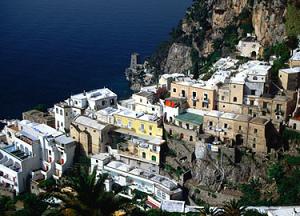
The Amalfi Coast (Costiera Amalfitana) is widely considered the most beautiful coastline in Europe, a 50-kilometre stretch of UNESCO-listed Mediterranean paradise on the southern edge of the Sorrentine Peninsula where pastel-coloured cliffside villages, terraced lemon groves, and the impossibly blue Tyrrhenian Sea create one of the most coveted travel destinations on the planet. From the chic boutiques of Positano to the medieval maritime glory of Amalfi and the serene gardens of Ravello, the Costiera Amalfitana is a symphony of dramatic vertical landscapes, thousand-year-old history, and the kind of sensual, sun-drenched Italian beauty that has drawn visitors since Roman emperors built their holiday villas here two millennia ago.
Quick Facts: The Amalfi Coast, Italy
- Best time to visit the Amalfi Coast: May–June and September for warm weather, open businesses, and manageable crowds (July–August is extremely crowded and hot, book everything months in advance); April and October for lower prices and peaceful exploration, though some hotels and restaurants close for the season
- Top attractions on the Amalfi Coast: Positano (the vertical village), Amalfi’s Duomo di Sant’Andrea, Ravello’s Villa Rufolo and Villa Cimbrone gardens, the Path of the Gods (Sentiero degli Dei) hiking trail, and the Emerald Grotto (Grotta dello Smeraldo)
- How to get to the Amalfi Coast: Naples International Airport (NAP) is the gateway; from Naples, ~1.5 hours by car or ~70 minutes by train to Sorrento (the gateway town); ferries run from Sorrento and Naples to Positano, Amalfi, and other coastal towns (April–October), the ferry is the most scenic and often the most pleasant way to arrive
- Getting around: The single coast road (SS163) is legendary for its beauty, and its traffic. In high season, SITA buses are packed, driving is stressful, and parking is near-impossible. Ferries between towns are the most relaxing option. Book accommodation with parking if you plan to drive.
- Budget reality: The Amalfi Coast is one of the most expensive destinations in Italy. Budget-conscious travellers should consider basing themselves in Sorrento (still expensive but cheaper than Positano), Salerno (much more affordable), or one of the smaller villages between Amalfi and Vietri sul Mare.
- Best for: Romantics, honeymooners, photographers, foodies, and anyone who loves dramatic coastal scenery
The Villages of the Amalfi Coast
- Positano: The star of the show, a cascade of pastel and terracotta houses tumbling down a near-vertical cliff to a pebbled beach. Expensive, glamorous, and worth it for at least a day. The Church of Santa Maria Assunta’s majolica-tiled dome is the village’s iconic image. Read our Positano guide →
- Amalfi: The coast’s namesake was once a powerful maritime republic rivaling Venice and Genoa. The magnificent Duomo di Sant’Andrea, with its Arab-Norman facade and dramatic staircase, is one of southern Italy’s most beautiful cathedrals. Amalfi is also the hub for ferry connections and home to the fascinating Paper Museum (Museo della Carta).
- Ravello: Perched 365 metres above the sea, Ravello is the coast’s intellectual and musical retreat, a haven of gardens, classical concerts, and breathtaking views. Villa Rufolo’s gardens (which inspired Wagner) and the infinitely romantic Terrace of Infinity at Villa Cimbrone are absolute must-sees. Read our Terrace of Infinity guide →
- Praiano: Quieter than Positano but with similar views and better value, a favourite for those who want the Amalfi Coast experience without the Positano price tag.
- Vietri sul Mare: The eastern gateway to the coast, famous for its hand-painted ceramics and relatively affordable accommodation. The beach here is one of the best on the coast.
Essential Amalfi Coast Experiences
The Path of the Gods (Sentiero degli Dei): One of the most spectacular coastal walks in the world, a 7.8km trail from Bomerano (Agerola) to Nocelle (above Positano) with uninterrupted views of the entire coastline, the Isle of Capri, and the Sorrento Peninsula. The trail is moderately challenging (3–4 hours), best done in the morning for the clearest views, and perfectly positioned for a triumphant lunch in Positano at the end.
Limoncello and the lemons of Amalfi: The Amalfi Coast’s terraced lemon groves produce the legendary sfusato amalfitano lemon, enormous, fragrant, and the basis of the region’s most famous export, limoncello liqueur. Visit a limoncello producer for a tasting, and don’t leave without trying delizia al limone, the coast’s signature lemon dessert.
Boat trip to Capri: The fabled Isle of Capri, Roman emperors’ retreat, jet-set playground, and home to the magical Blue Grotto, is a day trip from the Amalfi Coast towns. The ferry from Positano or Amalfi takes 45–60 minutes. Read our Capri guide →
Amalfitana Coast is located in the southern part of the Sorrento peninsula in Campania, Italy. The area attracts lots of tourists with hills rising from the beautiful beaches. From their peaks, you can enjoy spectacular panoramic views. At the slopes of the peaks there are located several romantic towns and villages (Amalfi, Positano, Maiori, Atrani, Minori, Ravello, Furore, Praiano, Conca dei Marini, Scala, Tramonti, Vietri sul Mare, Cetara, Agerola).
Amalfitana Coast has been inhabited since the early Middle Ages. There are many cities with important architectural monuments and works of art. The local people adapted to the terrain variety (the terraced vineyards, orchards in the valleys). The largest center of Amalfitana Coast is the historic town of Amalfi. The main monument is The Dome from 10th century. Another popular place is the village of Positano and Ravello romantic village with its beautiful gardens. Since 1997, Amalfitana Coast is a part of UNESCO World heritage Site.
View Amalfi Coast – the most beautiful coast in Italy in a larger map
What’s your favourite Amalfi Coast village, Positano’s glamour, Ravello’s gardens, or Amalfi’s historic cathedral? Share your Amalfi Coast experiences, hidden gems, and tips for beating the crowds in the comments! 🍋
Explore all our Italy travel guides, from the Dolomites to Sicily.
Explore More
If you enjoyed this article, you might also like:

The Amalfi Coast is one of those rare places that actually looks better in real life than in the photos. We drove the coastal road from Sorrento to Salerno and every corner revealed a view that made us pull over. Positano is as beautiful as everyone says. Just avoid August if you can!