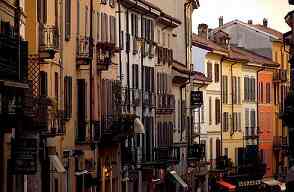
Pavia is one of Lombardy’s richest treasure-houses of art, history, and culture, an ancient university city on the Ticino River, just 35 kilometres south of Milan, whose magnificent Certosa di Pavia (one of the most beautiful Renaissance monasteries in Italy), its Romanesque churches, and the Visconti Castle make it one of the most rewarding day trips from Milan that most international visitors never think to take. Founded by the Romans as Ticinum, Pavia was the capital of the Lombard Kingdom and later one of the most important cities of medieval Italy, its university, founded in 1361, is one of the oldest in the world and still dominates the city’s intellectual and social life.
In This Article
The Certosa di Pavia: A Renaissance Masterpiece
The Certosa di Pavia, located approximately 8 kilometres north of the city centre, is the single most compelling reason to visit Pavia. This Carthusian monastery was founded in 1396 by Gian Galeazzo Visconti, Duke of Milan, as a family mausoleum and a statement of dynastic power. Construction continued for over 250 years, drawing on the talents of generation after generation of Italy’s finest architects, sculptors, and painters. The facade is an explosion of marble reliefs, intricate carvings, and statues that represent the pinnacle of Lombard Renaissance art. Inside, the church contains a magnificent nave with frescoes by Borgognone and a stunning inlaid marble floor. The cloisters, with their delicate terracotta decorations and tranquil gardens, offer a stark contrast to the ornate church. Entry to the Certosa is free, and the monastery remains an active religious community, though the Carthusian monks have relocated and the site is now maintained by the Cistercian order. Allow at least two hours to explore the church, cloisters, and the small museum that displays artifacts from the monastery’s long history. The silence within the cloisters is almost palpable, offering a meditative escape from the modern world.
Romanesque Churches and the historic Centre
Pavia is renowned for its concentration of Romanesque churches, each with a distinct character. The basilica of San Michele Maggiore, where Emperor Frederick Barbarossa was crowned King of Italy in 1155, is considered one of the finest Lombard-Romanesque churches in the country. Its sandstone facade features intricate sculptural reliefs depicting biblical scenes and mythical beasts. The basilica of San Pietro in Ciel d’Oro (Saint Peter in Golden Sky) is equally significant, housing the tomb of Saint Augustine of Hippo beneath a magnificent Gothic ark carved with hundreds of figures. The church also contains the remains of Boethius, the Roman philosopher, and King Liutprand the Lombard. The Duomo di Pavia, though unfinished, boasts the third-largest dome in Italy after Saint Peter’s basilica in Rome and Santa Maria del Fiore in Florence. Its construction began in the 15th century under designs by Leonardo da Vinci and Bramante, though neither saw it completed. The cathedral’s vast interior and the climb to the dome offer views across the red rooftops of Pavia and the surrounding countryside. The church of San Teodoro and Santa Maria del Carmine complete the city’s remarkable collection of medieval religious architecture.
Pavia Today: University Life and Local Flavours
The University of Pavia, founded in 1361, infuses the city with a youthful energy that belies its ancient foundations. Students crowd the porticoed streets around the university buildings, and the city’s cafes and bars buzz with conversation in multiple languages. The Visconti Castle (Castello Visconteo) dominates the northern edge of the historic centre, a sprawling fortified palace built by the Visconti dynasty in the 14th century. It now houses the Civic Museums, with collections ranging from archaeological finds to Renaissance paintings, and its park is a favourite spot for families and students. Pavia sits in the heart of the Lomellina rice-growing region, and the local cuisine reflects this: risotto alla pavese, a saffron-infused rice dish, is the city’s signature. The covered market near Piazza della Vittoria offers fresh produce, local cheeses, and cured meats that make for excellent picnic supplies. Spring and autumn are ideal for visiting, with mild temperatures perfect for walking between the city’s scattered monuments. A day trip from Milan is straightforward and takes under an hour by train, but Pavia rewards those who stay overnight with a quieter, more intimate experience of Lombard history and hospitality. Evening strolls along the Ticino River are particularly pleasant in good weather.
Have you visited Pavia’s Certosa or discovered Lombardy’s historic university city? Share your Pavia discoveries in the comments! 🏛️
Explore all our Italy travel guides, from the Dolomites to Sicily.
Explore More
If you enjoyed this article, you might also like:
