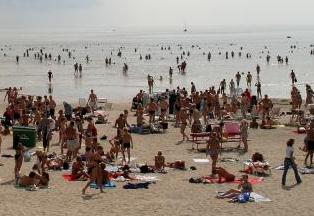
Pärnu is Estonia’s “Summer Capital”, a charming Baltic seaside city with a 3-kilometre white sand beach, a beautifully preserved 19th-century spa quarter of tree-lined avenues and wooden villas, and a laid-back cultural scene that transforms the city into Estonia’s most popular holiday destination every summer. With a history as a Hanseatic trading port and a Tsarist-era spa town, Pärnu combines genuine historical character with the breezy energy of a beach resort, and it’s less than two hours from Tallinn.
In This Article
The Beach Promenade and Seaside Atmosphere
Pärnu’s golden beach is the heart of the city’s summer identity, but the promenade that runs alongside it adds layers of charm that keep visitors returning year after year. The promenade stretches from the Pärnu Jetty at one end to the beach stadium at the other, offering a scenic walkway lined with benches, flower gardens, and sculpture installations. In July and August, the promenade fills with families enjoying ice cream from local vendors, couples cycling along the dedicated bike paths, and groups of friends playing beach volleyball on the sand courts. The long Estonian summer evenings, when the sun sets around 11 PM, mean that the promenade stays lively well into the night, with open-air concerts and impromptu dance performances creating a festival atmosphere.
The beach itself is the finest in Estonia, with fine white sand that slopes gently into the shallow Baltic waters. The water quality is excellent, earning Blue Flag certification year after year. Lifeguards patrol during the peak season, and the beach is divided into quiet zones and active zones to suit different preferences. For those seeking wellness, the modern spa hotels along Ranna Street offer thermal pools, saunas, and treatments that carry on the tradition of Pärnu’s original mud-bath therapies. The combination of beach relaxation and spa indulgence makes Pärnu a uniquely restorative destination on the Baltic coast.
Cultural Attractions and Annual Festivals
Pärnu’s cultural calendar is surprisingly rich for a city of its size. The Pärnu Music Festival, held each July under the artistic direction of renowned Estonian conductors, attracts world-class classical musicians to perform in venues across the city, from the modern concert hall to the historic Mud Baths building. The festival’s open-air concerts on the beach promenade are particularly magical, with the sound of string quartets blending with the lapping of Baltic waves. Beyond classical music, the city hosts the Pärnu Film Festival, which showcases Baltic and Nordic cinema, and the Hanseatic Days festival, which recreates the atmosphere of the medieval trading port with costumed re-enactors, craft markets, and traditional food stalls in the old town square.
Art lovers will appreciate the Pärnu contemporary Art Museum, housed in a striking modern building near the riverfront, and the numerous galleries scattered through the old town’s cobblestone streets. The city also celebrates its literary heritage at the Lydia Koidula Museum, dedicated to the poet who is considered a founding figure of Estonian national theatre. For a taste of local life, the Pärnu Central Market offers fresh produce, smoked fish, artisan cheeses, and handmade crafts, providing a direct connection to the culinary traditions of the surrounding countryside.
Day Trips and Natural Surroundings
While Pärnu itself offers plenty to occupy visitors for several days, its location makes it an excellent base for exploring southwestern Estonia. The nearby Soomaa National Park, known for its fifth season of spring floods, offers canoe trips through flooded forests and bog walking expeditions that reveal a wilderness landscape unlike anywhere else in Europe. Just 30 minutes south, the seaside town of Kabli features a birdwatching tower and a seal observation platform on the coastline. The islands of Kihnu and Ruhnu, reached by ferry from Pärnu’s port, preserve traditional Estonian island culture with their own dialects, costumes, and customs that have been recognised by UNESCO as intangible cultural heritage. Back on the mainland, the preserved manor houses of the Pärnu County region, including the grand Pärsama Manor and the elegant Soontaga Manor, offer a glimpse into the aristocratic lifestyle of the Baltic German era and make for rewarding half-day excursions from the summer capital.
View Pärnu – Estonia’s Summer Capital in a larger map
Have you spent a summer in Pärnu or discovered Estonia’s spa coast? Share your Baltic beach experiences in the comments! 🏖️
Explore all our Estonia travel guides, from Tallinn old town to Baltic islands.
Explore More
If you enjoyed this article, you might also like:
