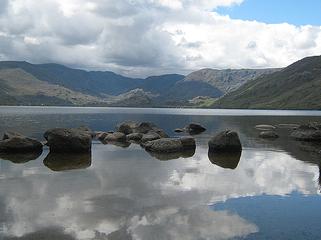
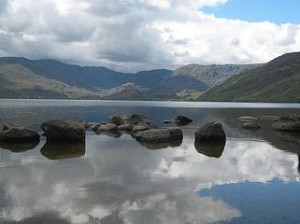
Lago de Sanabria is the largest glacial lake in the Iberian Peninsula. It is located in Spain, in the northwestern province of Zamora, in the mountainous area of Sierra Cabrera and Sierra Segundera. It is a part of the Sanabria Lake Natural Park. The lake sits at an altitude of approximately 997 metres, surrounded by a landscape shaped by ancient ice sheets that carved out this basin tens of thousands of years ago. Its pristine waters and the wild beauty of the surrounding park make it one of the most treasured natural landmarks in all of Spain, drawing visitors from across Europe and beyond who come to witness the raw power of nature preserved in a single, breathtaking location.
In This Article
The Geology and Formation of Lago de Sanabria
Lago de Sanabria covers an area of 318.7 hectares, with a maximum depth of 51 metres, making it the largest body of its kind on the Iberian Peninsula. The lake was created by the powerful movement of glaciers during the Quaternary period, when ice sheets advanced and retreated over thousands of years, scouring deep depressions into the bedrock of the surrounding mountains. As the glaciers slowly melted at the end of the last ice age, these depressions filled with crystal-clear meltwater, creating the lake that visitors admire today. The surrounding landscape bears the unmistakable marks of glacial erosion, from U-shaped valleys to polished rock surfaces and moraine deposits that testify to the immense forces at work in prehistoric times. The lake is fed by several streams that flow down from the surrounding peaks, keeping the water remarkably clear and cold throughout the year. The volcanic and metamorphic rocks that line the lake bed contribute minerals that give the water a distinctive deep blue-green hue, particularly striking on sunny days when the surface reflects the surrounding peaks like a natural mirror.
Wildlife and Nature in Sanabria Lake Natural Park
Lago de Sanabria is part of the Sanabria Lake Natural Park, which covers an area of 22,635 hectares and ranges in altitude from 997 to 2,124 metres. The park is characterized by great ecological diversity, with habitats ranging from oak and birch forests at lower elevations to alpine meadows and rocky summits at the highest points. The oaks, birches, willows, yews and various shrubs grow here, creating a rich mosaic of forest habitats that change with altitude and exposure. A rarity in these latitudes are also peat bogs, which support specialist plant species more commonly found in northern Europe, adding a unique ecological dimension to this already remarkable landscape. The animal inhabitants include the elusive Iberian lynx, the Iberian wolf, partridge, golden eagle and otter, alongside wild boar, roe deer and numerous smaller mammals. In the lakes and streams you can find trout, while amphibians such as the marbled newt and fire salamander thrive in the damp woodland understorey. Sanabria Lake Natural Park was founded in 1978, ensuring the long-term protection of this unique ecosystem for future generations to enjoy. The park also encompasses the villages of Galende, Cobreros, Trefacio and Porto de Sanabria, where traditional stone architecture blends harmoniously with the surrounding landscape, offering visitors a glimpse into rural Spanish life that has remained largely unchanged for centuries.
Visiting Lago de Sanabria: Activities and Attractions
Today it is a popular summer destination for tourists and holidaymakers seeking relief from the heat of the Spanish plains. On the southern shore of the lake you can find a beautiful sandy beach, which becomes lively during warm sunny days when families and groups of friends gather to enjoy the water. Visitors come mainly to bathe in the clean, cold water, but also to enjoy various activities such as canoeing or rowing across the calm surface of the lake. Here you can also rent a pedal boat to explore the quieter corners of the lake and discover hidden coves that are inaccessible from the shore. Right on the beach there is a pleasant restaurant with outdoor seating, serving local Zamoran cuisine and cold drinks with a view of the water stretching out toward the distant mountains. More than 50,000 people visit the lake every year, yet the vastness of the natural park ensures that it never feels overcrowded. The lake surroundings are ideal for mountain biking or hiking, with several marked trails winding through the park, each offering different perspectives on the landscape and its wildlife. The centre of the park is located in a former medieval Cistercian monastery of San Martin de Castaneda, which now houses a visitor centre with exhibits on the natural and cultural history of the area, as well as information about the hiking trails and wildlife viewing opportunities. weather you come for the swimming, the hiking, or simply the peace of a landscape shaped by ice over millennia, Lago de Sanabria offers an unforgettable escape into the wild heart of northwestern Spain.
View Lago de Sanabria – the biggest glacial lake in the Iberian Peninsula Spain in a larger map
Would you swim in a glacial lake surrounded by ancient forests? 🏔
Explore all our Spain travel guides, from Barcelona Gaudí to Andalusia plazas.
Explore More
If you enjoyed this article, you might also like:
