The sand at Playa Grande is not sand in the conventional sense, it is volcanic, dark gold verging on black, and the heat it absorbs during the day radiates back through your towel at 5pm like a heated floor that someone forgot to turn off. The Canary Islands are Spain, but geologically and botanically they belong to another planet: the lava fields of Timanfaya still look raw, 300 years after the eruptions that covered a third of Lanzarote; the vineyards of La Geria grow in individual pits dug into the black ash, each vine protected by a semi-circular stone wall from the constant trade winds; and the whitewashed houses with their green shutters, the signature aesthetic imposed by the artist César Manrique, who saved the island from the worst excesses of package-holiday development, are a deliberate act of cultural self-preservation.
In This Article
Puerto del Carmen: Lanzarote’s Family Favourite
Puerto del Carmen grew from a fishing village into Lanzarote’s largest resort, and the development, a 6 km strip of beaches, restaurants, and apartment complexes along the south-eastern coast, is more benign than the reputation suggests. The beaches are excellent: Playa Grande (the main beach, golden sand, sheltered, shallow entry, ideal for children), Playa Chica (a small cove, calm water, the best snorkelling on the strip, trumpetfish, parrotfish, the occasional octopus), Playa de los Pocillos (quieter, windswept, the sand darker and coarser). The promenade (Avenida de las Playas) runs the full length of the resort, a flat, palm-lined walkway with the sea on one side and a moderate density of restaurants and bars on the other. The moderation is deliberate. Lanzarote’s planning laws, heavily influenced by Manrique, who fought the construction of high-rise hotels until his death in 1992, restrict building heights and prohibit advertising billboards. The result is a resort that feels, against all odds, restrained.
Beyond the Beach: The Island That Manrique Built
Timanfaya National Park (Las Montañas del Fuego, the Fire Mountains): The eruptions of 1730-1736, a continuous six-year volcanic episode that buried eleven villages and transformed the landscape, created the otherworldly terrain of Timanfaya. The visitor experience: a bus tour (included in the €12 entry, no independent driving, the roads are narrow and the geothermal activity is real) through the lava fields, past craters and fissures that still release steam, past the geothermal demonstrations (a guide pours water into a borehole; the water returns as a jet of steam three seconds later, the temperature at ten metres below the surface reaching 600°C). The restaurant El Diablo (designed by Manrique, the grill powered by geothermal heat from a vent in the ground) serves Canarian potatoes (papas arrugadas, boiled in seawater until the salt crystallises on the skin) and grilled chicken that was cooked, literally, by a volcano. The novelty is part of the experience. The chicken is genuinely good.
Jameos del Agua (north of the island, €10, Manrique’s masterpiece): A volcanic tube, part of the 6 km lava tunnel created by the eruption of the Corona volcano 4,000 years ago, transformed into a subterranean auditorium, garden, and swimming pool. The albino crabs (Munidopsis polymorpha, blind, white, found nowhere else on Earth) that live in the underground lake are the guardians of the space; the staircase descending into the cave, the light filtering through the collapsed roof, the bar and dance floor carved into the rock, are the vision of one man who understood that Lanzarote’s geology was its greatest asset. The auditorium seats 550 and hosts concerts; the acoustics, inside a lava tube, are extraordinary. The garden, tropical plants thriving in the volcanic microclimate, is a shock of green in a black landscape.
Mirador del Río (northern tip, €5, also by Manrique): A viewing platform built into the cliff at the northern tip of the island, looking across the strait (El Río) to the island of La Graciosa. Manrique buried the building in the rock, the only visible elements are the glass windows, the white dome, and the terrace, and the interior, with its curved white walls and panoramic window, is simultaneously futuristic and organic. The view, the strait, the island, the Atlantic stretching away to the edge of the world, is one of the great panoramas of the Canary Islands. The café serves coffee and a selection of local pastries. The window seat is the objective. Arrive early for it.
When to Visit and Getting Around
The best time to visit Lanzarote is between March and May or October and November, when temperatures sit around 22-26°C and crowds are thinner. Direct flights from most European capitals take three to four hours, and the island’s small airport is a fifteen-minute drive from Puerto del Carmen. Car hire is recommended for exploring beyond the resort, though the resort itself is walkable. The constant trade winds keep the island comfortable even in August, when other Canary Islands feel oppressively hot. Pack layers, sunscreen, and comfortable walking shoes for the volcanic terrain that defines the best experiences on this extraordinary island.
The Top 10 European Ski Resorts
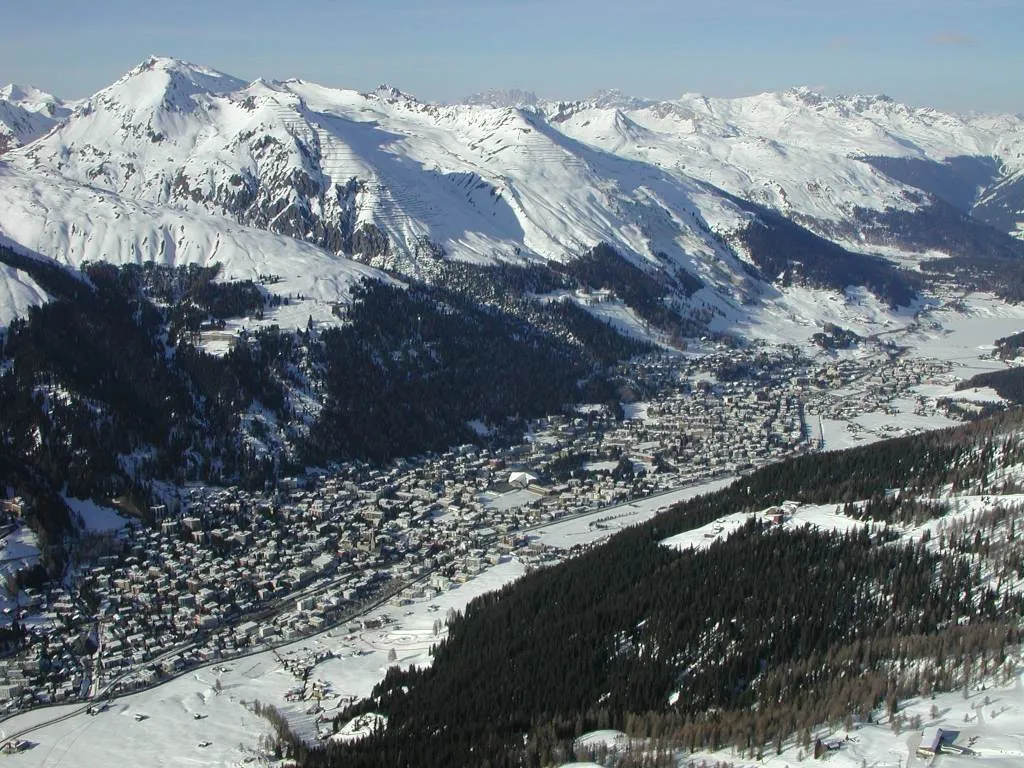
Europe remains a key continent for ski enthusiasts, with a proliferation of resorts. It’s fair to say that new resorts are being opened at regular intervals, although the quality of those destinations can vary somewhat. I enjoy a variety of winter sports and have been fortunate enough to visit a number of leading resorts. Here […]
