The rain stops, not gradually, but suddenly, the clouds peeling apart like a stage curtain, and the entire Dingle Peninsula transforms in the space of thirty seconds. The sea turns from grey to silver. The Forty Shades of Green (a phrase that is not, as commonly believed, a Johnny Cash lyric but an 18th-century description of the Irish landscape by the writer and politician John Philpot Curran) reveal themselves as distinct, countable, almost impossibly vivid. The sheep in the field look up. The light, that particular Irish light, soft and angled and somehow nostalgic even when you are standing in it, makes the whole scene look like a memory you are having in advance. The best time to travel Ireland is whenever the rain stops. The trick is knowing when that is likely to happen.
Ireland by Season: The Calculus of Green
Spring (March-May): March brings St Patrick’s Day (March 17th, Dublin’s parade attracts 500,000, book accommodation 2-3 months ahead, the city is a controlled riot of green and Guinness) and the first real warmth. April and May are the shoulder-season sweet spot: daytime temperatures of 12-16°C, rainfall moderate (the west coast is always wetter, this is a fact of Irish life, not a weather forecast), the countryside erupting in a shade of green so intense it looks photoshopped. The lambs are in the fields. The gorse is blazing yellow on the hillsides. The tourist season proper has not yet begun, the Ring of Kerry, the Cliffs of Moher, the Giant’s Causeway are all accessible without the summer coach-party density. May is, for many, the best month in Ireland: long evenings (sunset after 9pm by late May), the hawthorn hedgerows in flower, the first hint of warmth in the sun.
Summer (June-August): The warmest months (18-22°C, occasionally higher), the longest days (sunset after 10pm in June, the famous “grand stretch in the evenings”), and the peak tourist season. The advantages, the festivals (Galway International Arts Festival, July; the Fleadh Cheoil, the biggest traditional music festival in Ireland, location rotates, August; the Puck Fair in Killorglin, one of the oldest fairs in Ireland, a wild goat crowned king for three days, August 10-12), the beaches (the water is cold, 14-16°C, but the strand at Inch in Kerry, the white sand of Keem Bay on Achill Island, the sheltered coves of West Cork are beautiful regardless), the general sense of the country in full, exuberant bloom, are significant. The disadvantages, accommodation prices (up 30-50% on shoulder season), the midge population in the west (particularly Connemara and the Burren, a head net costs €5 and is worth every cent), and the fact that everyone else has had the same idea, are manageable with planning. Book ahead for summer. Spontaneity in August is expensive.
Autumn (September-October): The best-kept secret in Irish travel. September offers summer weather at shoulder-season prices, the sea is at its warmest (16-17°C, having absorbed a full summer of solar radiation), the tourists have thinned, and the light is magnificent: low, golden, sideways through the trees. The harvest is in, the pubs are serving game (venison, pheasant, the first of the winter stews), and the cultural calendar, the Dublin Theatre Festival (September-October), the Cork Jazz Festival (October bank holiday weekend), is in full swing. October brings the autumn colours, the first real chill, and the possibility of storms off the Atlantic, which are dramatic and worth experiencing from the safety of a pub with a turf fire. The west coast in October, with the waves crashing against the Cliffs of Moher and the wind howling through the Burren, is elemental and magnificent.
Winter (November-February): The quiet months. Temperatures of 4-8°C, rain frequent, daylight limited (sunset before 5pm in December). The advantages: the lowest prices of the year, the pubs at their cosiest (turf fires, trad sessions, bowls of seafood chowder that restore the will to live), the complete absence of queues at any attraction. The Christmas season, the markets in Galway and Dublin, the 12 Pubs of Christmas (an informal pub crawl, the “rules” varying by friend group but generally involving a drink in twelve different pubs, a festive jumper, and a progressively deteriorating quality of conversation), is genuinely magical. New Year’s Eve in Dublin is a city-wide party. January and February are for the hardcore, the wet, the grey, the early darkness, but the reward is an Ireland that few tourists see: quiet, introspective, and beautiful in a melancholy, windswept way.
The best time to travel Ireland is a conversation between your tolerance for rain and your tolerance for crowds. May and September are the optimum, one bookending summer, one opening it, both offering the best of Irish weather at the best of Irish prices. But there is no wrong time. There are only wrong jackets. Bring the waterproof. Ireland will do the rest.
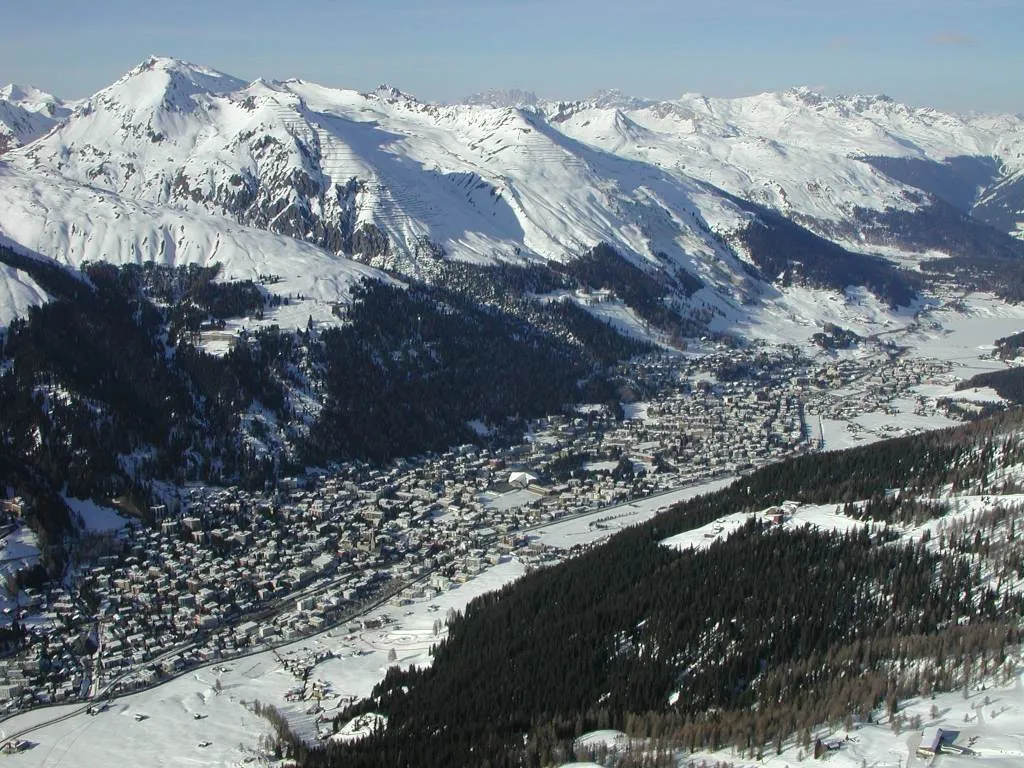
The Top 10 European Ski Resorts
Europe remains a key continent for ski enthusiasts, with a proliferation of resorts. It’s fair to say that new resorts are being opened at regular intervals, although the quality of those destinations can vary somewhat. I enjoy a variety of winter sports and have been fortunate enough to visit a number of leading resorts. Here […]
